From Isolation to Family: How Church Culture Shapes Lasting Hope and Community Support

Recovery from addiction or mental health challenges can be a lonely journey. Many individuals feel isolated, overwhelmed, or uncertain about their future. In this context, the Christian church offers more than spiritual guidance. Its unique culture provides a sense of family, belonging, and ongoing support that complements professional treatment. This community-based approach nurtures hope, strengthens resilience, and helps individuals navigate the complexities of recovery with confidence.

Understanding Church Culture in the Context of Healing

Church culture is more than shared beliefs or weekly services. It is a living, supportive environment that emphasizes connection, compassion, and accountability. For people in recovery, this culture addresses not only the mental and physical aspects of healing but also the spiritual and emotional dimensions. By creating a safe space for growth, church communities help individuals move from isolation to meaningful relationships that sustain long-term recovery.

At Evangel Temple, this philosophy is central to every program. Their services include inpatient and outpatient care, holistic therapy, and faith-based counseling. These programs integrate professional treatment with spiritual guidance and community support, offering a comprehensive approach that treats the whole person.

How Church Culture Fosters Connection and Belonging

Building Relationships That Last

One of the most powerful aspects of church culture is its emphasis on genuine relationships. Small groups, mentorship programs, and fellowship events provide opportunities for individuals to form deep, supportive connections. These relationships foster accountability, offer encouragement during difficult moments, and celebrate milestones in recovery. For many, these connections transform the church into a family that provides strength and stability beyond formal treatment.

Reducing Isolation and Promoting Engagement

Isolation is a major risk factor for relapse and worsening mental health. Church communities actively combat this by creating inclusive spaces where individuals feel valued and supported. Regular participation in group activities, volunteer opportunities, and spiritual gatherings encourages engagement, reduces loneliness, and reinforces positive coping strategies learned in therapy.

Integrating Faith and Healing for Lasting Hope

Faith is a cornerstone of the church’s approach to recovery. Practices such as prayer, reflection, and service help individuals develop resilience and a sense of purpose. By connecting with a higher power and a supportive community, individuals gain hope and perspective that extend beyond their immediate challenges. When combined with clinical treatment, faith-based guidance strengthens emotional stability and promotes long-term wellness.

Encouraging Personal Growth and Responsibility

Church culture also emphasizes personal growth and contribution. Members are encouraged to explore their strengths, serve others, and actively participate in community life. This focus on meaningful engagement fosters confidence, self-worth, and motivation—critical factors for sustaining recovery and building a fulfilling life.

Beyond Treatment: Sustaining Hope Through Community

Recovery is an ongoing journey, and church culture offers continuity that extends beyond the walls of treatment programs. Regular services, small group participation, volunteer opportunities, and mentorship programs provide ongoing support that helps individuals maintain progress and resilience. This enduring network of care ensures that recovery is not just a temporary phase but a lifelong transformation.

Conclusion

The Christian church offers more than spiritual guidance—it creates a culture that transforms isolation into family, instills hope, and provides sustained support. For individuals facing addiction or mental health challenges, this environment complements professional treatment, fostering resilience, connection, and purpose. Evangel Temple combines compassionate care, holistic programs, and faith-based guidance to help individuals move from struggle to lasting transformation. If you or a loved one are seeking a path to recovery, reach out to Evangel Temple today and experience the power of community and hope in your healing journey.
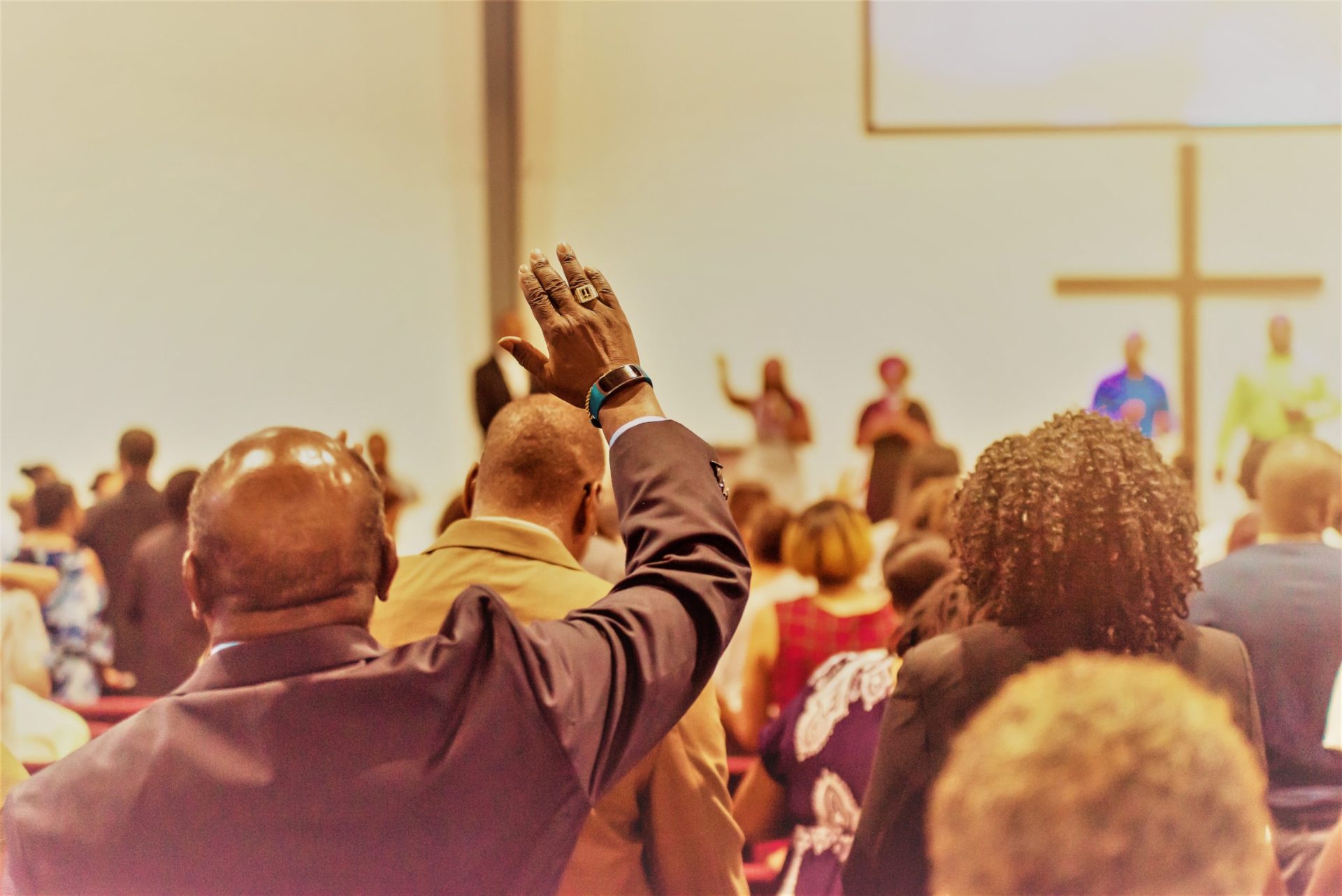
Belonging, Purpose, and Faith: The Distinctive Culture of the Christian Church in a Fragmented World

In a world where many feel disconnected, isolated, or overwhelmed, the Christian church offers a unique culture of belonging, purpose, and faith. This culture is not just a spiritual refuge—it is a supportive framework that nurtures holistic healing and recovery. For individuals struggling with addiction, mental health challenges, or life transitions, church culture provides stability, connection, and guidance that extend far beyond traditional treatment programs.

Understanding the Role of Church Culture in Recovery

Church culture is more than a set of beliefs or rituals. It is a community built around shared values, compassion, and accountability. Unlike other social groups, the Christian church integrates emotional, mental, and spiritual support into a cohesive system of care. This environment encourages personal growth, reinforces healthy habits, and addresses the whole person—mind, body, and spirit.

At Evangel Temple, this philosophy is reflected in every aspect of their programs. From inpatient and outpatient care to faith-based counseling and holistic support, the church’s approach combines professional treatment with spiritual guidance. This dual focus ensures that individuals not only manage the symptoms of addiction or mental health struggles but also discover purpose and belonging as they rebuild their lives.

The Three Pillars of Church Culture: Belonging, Purpose, and Faith

Belonging: Creating a Safe Community

Isolation is a major challenge in both addiction recovery and mental health care. Church culture provides an authentic sense of belonging, helping individuals feel valued and supported. Small groups, fellowship events, and mentorship programs foster meaningful connections that encourage accountability and trust. By being part of a compassionate community, individuals gain the encouragement and reinforcement they need to sustain long-term recovery.

Purpose: Finding Meaning Beyond Recovery

Recovery is not only about overcoming challenges; it is also about discovering purpose. Church culture emphasizes personal growth, service, and contribution to others. By engaging in volunteer opportunities, mentoring, or community outreach, individuals learn to apply their strengths, regain self-esteem, and create positive impact. This sense of purpose provides motivation and resilience, reducing the risk of relapse while enhancing overall well-being.

Faith: Anchoring the Journey in Hope

Faith is at the core of Christian church culture. Spiritual practices, prayer, and reflection help individuals build resilience, find hope, and navigate difficult moments. For many in recovery, faith offers a framework to make sense of challenges and to trust in the possibility of transformation. Integrating spiritual support with professional care ensures a holistic recovery process that addresses the emotional and spiritual dimensions of healing.

How Church Culture Extends Beyond Treatment

Church culture does more than support individuals during treatment—it provides a sustainable foundation for lifelong growth. Regular services, small group participation, and volunteer opportunities maintain connection and foster continued personal development. The ongoing support and guidance available through a church community reinforce the life skills and coping strategies learned in formal treatment, offering stability in a fragmented world.

Conclusion

Belonging, purpose, and faith are more than concepts—they are the pillars of a distinctive culture that sets the Christian church apart. For those navigating addiction or mental health recovery, this culture provides a unique environment where healing is holistic, sustained, and meaningful. Evangel Temple combines professional care with the enduring support of church culture, helping individuals transform their lives with guidance, community, and faith. If you or a loved one are seeking a path to recovery, reach out to Evangel Temple today and experience the transformative power of belonging, purpose, and faith.

More Than a Support Group: What Makes Christian Church Culture Stand Apart in Healing and Recovery

When people think of recovery, they often picture support groups or clinical programs. While these resources are invaluable, they represent only one piece of the healing process. Christian church culture offers something deeper: a holistic, faith-centered environment where individuals recovering from addiction or mental health challenges find belonging, purpose, and ongoing guidance. This unique culture extends beyond the walls of any program, creating a framework for transformation that lasts a lifetime.

The Unique Role of Church Culture in Recovery

Christian church culture is a subculture in its own right. It is built on shared beliefs, values, and practices that prioritize community, accountability, and spiritual growth. Unlike secular support systems, church culture integrates emotional, mental, and spiritual dimensions of healing. This holistic approach allows individuals to address the root causes of addiction or mental health struggles, rather than just the symptoms.

At Evangel Temple, this perspective is at the heart of their approach. In addition to inpatient and outpatient care, the church provides faith-based programs that reinforce professional treatment with spiritual guidance and practical support. This combination ensures that individuals are not only receiving clinical care but are also supported by a community invested in their long-term well-being.

How Church Culture Strengthens Healing

Connection and Belonging

Isolation can be a significant barrier to recovery. Church communities offer more than social interaction—they provide a network of meaningful relationships built on empathy, trust, and shared experience. Regular fellowship, small groups, and mentorship programs foster accountability and create a safe space for individuals to share struggles and celebrate milestones. This sense of belonging reduces feelings of loneliness and reinforces the positive habits learned in treatment.

Integrating Faith with Professional Care

Faith-based approaches complement traditional therapy by addressing spiritual and emotional needs. Practices such as prayer, meditation on scripture, and service to others encourage self-reflection and purpose. For many individuals, connecting with a higher power provides the hope and motivation necessary to sustain recovery. When paired with evidence-based counseling and structured treatment, these spiritual practices enhance resilience and promote long-term wellness.

Encouraging Personal Growth and Responsibility

Christian church culture emphasizes personal development and contribution to the community. Individuals are encouraged to discover their strengths, serve others, and develop a sense of purpose beyond their recovery journey. This focus on growth fosters self-esteem, accountability, and motivation—key elements in preventing relapse and building a fulfilling, balanced life.

Beyond Support Groups: Lifelong Transformation

Recovery does not end when treatment concludes. Church culture provides ongoing support that extends far beyond a structured program. Regular services, community events, volunteer opportunities, and small group meetings maintain connection and reinforce healthy habits. For many, the church becomes a lifelong partner in recovery, offering encouragement, mentorship, and guidance through challenges and triumphs alike.

Conclusion

Christian church culture offers a unique and transformative environment for those navigating addiction and mental health recovery. It is more than a support group—it is a holistic, faith-centered community that nurtures healing, growth, and lasting change. If you or a loved one are seeking guidance, support, or a holistic approach to recovery, consider reaching out to Evangel Temple. Their compassionate, individualized programs integrate professional care with the enduring strength of church culture, helping individuals move from survival to thriving.

Why Church Culture Matters: How the Christian Community Transforms Lives Beyond Treatment

When facing addiction or mental health challenges, treatment is only the beginning of recovery. True healing extends beyond clinical care into community, support, and a sense of belonging. This is where church culture plays a unique and transformative role. The Christian church is more than a place of worship. It is a subculture rooted in compassion, grace, and connection, offering individuals struggling with addiction or mental health issues a framework for lasting change.

Understanding Church Culture as a Supportive Community

Church culture is characterized by shared values, faith-based practices, and a strong sense of belonging. Unlike other social groups, the Christian church provides a holistic approach to life challenges. It combines spiritual guidance with emotional and practical support. For those in recovery, this environment can reduce isolation, reinforce accountability, and offer encouragement that extends beyond formal treatment programs.

Many individuals find that joining a church community strengthens the lessons learned in therapy. Faith-based support networks emphasize forgiveness, purpose, and hope, helping individuals internalize the changes they are working to make. In this way, church culture complements professional care by addressing the spiritual and emotional dimensions of healing.

How Church Culture Supports Addiction Recovery

Building Connection and Accountability

Isolation can be a major obstacle in recovery. Church communities provide a built-in network of supportive relationships that encourage healthy habits and consistent progress. Through group activities, mentorship, and peer support, members learn to navigate life without returning to old behaviors. Regular fellowship creates opportunities for accountability while fostering genuine friendships that celebrate milestones and provide comfort during setbacks.

Promoting Holistic Healing

Faith-based recovery programs, such as those offered by Evangel Temple, integrate spiritual growth with mental and physical health care. This approach recognizes that addiction affects the whole person. Church culture encourages practices like prayer, reflection, and service, which strengthen resilience, self-awareness, and purpose. When combined with professional counseling and structured treatment, these spiritual practices support long-term sobriety and mental wellness.

Encouraging Personal Growth and Purpose

One of the most powerful aspects of church culture is its emphasis on purpose. Members are encouraged to explore their gifts, contribute to the community, and find meaning in helping others. For someone recovering from addiction, these opportunities instill confidence, foster self-worth, and reduce the likelihood of relapse. Feeling valued and connected reinforces the life skills developed in therapy and helps individuals envision a positive future.

Beyond Treatment: Lifelong Support and Transformation

Recovery is not a short-term event; it is a lifelong journey. Church culture provides continuity and stability beyond formal treatment programs. Weekly services, small groups, and volunteer opportunities maintain connection and offer ongoing emotional and spiritual support. This sustained involvement nurtures resilience, reinforces healthy habits, and creates a sense of purpose that can prevent relapse.

Conclusion

The Christian church offers more than spiritual guidance—it provides a unique culture that supports healing, growth, and lasting change. For individuals struggling with addiction or mental health challenges, being part of a compassionate church community can transform recovery from a solitary process into a life-changing journey. If you or a loved one are seeking help, consider reaching out to a local faith-based program like Evangel Temple. Their holistic, individualized approach combines professional care with the enduring support of church culture, helping you take meaningful steps toward lasting recovery.

Exploring Church Culture: How Faith Shapes Identity, Support, and Purpose

Church culture plays a powerful role in shaping how people understand themselves, relate to others, and find meaning in life. For individuals facing addiction or mental health challenges, faith communities can become a stabilizing force during seasons of uncertainty and healing. At Evangel Temple, church culture is more than shared belief. It is a lived experience that supports identity, provides consistent care, and restores purpose through holistic, faith-based recovery.

How Faith Shapes Personal Identity

Identity Rooted in Worth, Not Struggle

Addiction and mental health challenges often distort a person’s sense of identity. Individuals may begin to see themselves only through the lens of their struggles, mistakes, or diagnoses. Christian faith offers a different foundation. It teaches that every person has inherent worth and is created with purpose.

At Evangel Temple, this belief is central to addiction recovery and mental health treatment. Clients are encouraged to see themselves not as broken beyond repair, but as individuals capable of growth, healing, and transformation. This renewed identity supports confidence and resilience throughout the recovery process.

Spiritual Growth and Emotional Healing

Faith provides language and structure for self reflection, forgiveness, and personal growth. Through prayer, spiritual counseling, and guided reflection, individuals learn how faith can support emotional regulation and healthier decision making. When combined with clinical treatment, this approach strengthens long term recovery and emotional well being.

The Role of Church Culture in Support and Healing

A Community That Walks Alongside You

One of the most defining aspects of church culture is community. Unlike many social spaces, faith communities prioritize long term connection and mutual care. This is especially important for individuals in recovery, who often feel isolated or disconnected.

Evangel Temple fosters a culture of support through group counseling, mentorship, and faith-centered programs. Clients receive encouragement from professionals and peers who understand both the challenges of addiction and the importance of compassion. This sense of belonging helps individuals stay engaged and motivated throughout treatment.

Integrating Professional Care with Spiritual Support

Church culture at Evangel Temple does not replace evidence-based treatment. Instead, it enhances it. Addiction recovery services and mental health treatment are offered alongside spiritual guidance to address the full range of client needs.

With both inpatient and outpatient care options, treatment plans are tailored to each individual. Mental health counseling, behavioral therapies, and holistic practices work together with faith-based support. This integrated model recognizes that recovery is most effective when the body, mind, and spirit are treated together.

Finding Purpose Through Faith and Community

Purpose Beyond Sobriety

Recovery is not only about stopping harmful behaviors. It is about building a meaningful life. Church culture encourages individuals to rediscover purpose through service, relationships, and spiritual growth.

At Evangel Temple, clients are supported as they explore new goals and values. Whether rebuilding family connections, serving others, or strengthening faith, purpose becomes a powerful motivator for sustained recovery and emotional stability.

Accountability and Lifelong Growth

Church culture also emphasizes accountability in a healthy, supportive way. Through trusted relationships and ongoing involvement, individuals remain connected even after formal treatment ends. This long term support helps prevent relapse and encourages continued personal development.

Why Church Culture Matters in Modern Society

In today’s fast-paced and often fragmented world, many people lack consistent support systems. Church culture offers something increasingly rare: a community that values presence, patience, and personal care. For those facing addiction or mental health challenges, this environment can be life changing.

Evangel Temple demonstrates how faith communities can adapt to modern needs while staying grounded in compassion and professional care. By offering holistic, individualized treatment within a faith-centered environment, they create a pathway to healing that respects each person’s story.

A Culture That Heals and Restores

Church culture has the power to shape identity, provide meaningful support, and restore purpose. When faith and professional care work together, individuals are given the tools they need to heal fully and sustainably.

At Evangel Temple, addiction recovery and mental health treatment are guided by compassion, expertise, and faith. If you or someone you love is seeking a supportive, holistic path toward healing, reaching out to Evangel Temple could be the first step toward renewed hope and lasting transformation.

Why the Christian Church Stands Out: A Look at Its Values, Traditions, and Community Life

In a world shaped by fast-moving trends and fragmented communities, the Christian church continues to stand out as a place of stability, compassion, and purpose. Far more than a weekly gathering, the church represents a living community rooted in shared values, meaningful traditions, and genuine care for one another. For individuals seeking healing from addiction, support for mental health challenges, or a renewed sense of direction, faith communities like Evangel Temple offer something deeply unique. Their approach blends spiritual guidance with holistic, individualized care that addresses the whole person.

Core Values That Shape Christian Church Culture

Compassion as a Way of Life

At the heart of Christian church culture is compassion. This value is not abstract or symbolic. It is lived out through service, understanding, and a commitment to walk alongside people during their most difficult seasons. For individuals facing addiction or mental health struggles, compassion creates safety. It removes fear of judgment and replaces it with acceptance and hope.

Evangel Temple reflects this value through its addiction recovery services and mental health treatment programs. Every person is treated with dignity, patience, and respect, regardless of their past. This compassionate environment allows real healing to begin.

Grace and Personal Transformation

Grace is a defining principle that sets the Christian church apart from many other communities. It recognizes that people are not defined by their mistakes, but by their potential for growth and renewal. In recovery, this message is especially powerful. Grace encourages honesty, resilience, and perseverance, even when the journey feels difficult.

Through faith-based counseling and spiritual support, Evangel Temple helps individuals understand that recovery is not about perfection. It is about progress, accountability, and transformation over time.

Traditions That Foster Healing and Stability

Faith Practices That Support Recovery

Christian traditions such as prayer, worship, and Scripture study provide grounding and consistency. These practices help individuals develop healthy routines and reconnect with purpose. In recovery settings, spiritual practices can reduce anxiety, strengthen emotional regulation, and encourage reflection.

Evangel Temple integrates these traditions into both inpatient and outpatient care. Spiritual guidance works alongside clinical treatment to support emotional healing, mental clarity, and long-term sobriety.

A Rhythm of Community and Connection

Church traditions also emphasize gathering, fellowship, and shared responsibility. This rhythm of connection counters isolation, which is often a major challenge in addiction and mental health recovery. Being part of a community that shows up consistently fosters trust and accountability.

At Evangel Temple, this sense of belonging is reinforced through group support, counseling relationships, and community engagement. Individuals are reminded that they are not walking the recovery journey alone.

Community Life That Extends Beyond the Church Walls

Holistic and Individualized Support

One of the reasons the Christian church stands out is its commitment to caring for the whole person. Faith communities understand that spiritual health, mental health, and physical well-being are deeply connected. Evangel Temple embodies this belief through holistic, individualized treatment plans that address addiction, mental health needs, and personal circumstances.

Clients receive care that respects their unique story, challenges, and goals. This personalized approach increases engagement and supports sustainable recovery.

Service, Purpose, and Long-Term Growth

Church culture encourages people to move beyond survival and toward purpose. Through service opportunities, mentorship, and leadership development, individuals in recovery can rediscover confidence and meaning. Purpose plays a critical role in maintaining sobriety and emotional stability.

Evangel Temple helps individuals reconnect with purpose by fostering spiritual growth and healthy relationships. This focus on long-term growth supports life beyond treatment.

A Community That Heals and Restores

The Christian church stands out because it offers more than belief. It offers belonging, compassion, structure, and hope. Through shared values, time-honored traditions, and a deeply supportive community life, faith communities provide a powerful foundation for healing and transformation.

At Evangel Temple, these qualities come together through addiction recovery services, mental health treatment, and holistic, faith-based care. If you or someone you love is seeking support, connection, and a path toward lasting healing, reaching out to Evangel Temple may be the first step toward a healthier and more hopeful future.

Inside Church Culture: Understanding the Unique Role of Faith Communities in Modern Society

Faith communities have long been more than places of worship. They are social hubs, support networks, and centers for holistic care that help individuals navigate life’s most challenging moments. In modern society, the Christian church represents a unique subculture that combines spiritual guidance, emotional support, and practical resources. At Evangel Temple, this perspective shapes how they deliver addiction recovery services, mental health treatment, and individualized care, helping people experience restoration in every area of life.

What Makes Church Culture Unique

A Community Rooted in Faith

Unlike many social groups or subcultures, church communities are grounded in shared beliefs and spiritual values. Members are connected by a common understanding of purpose, morality, and service. This shared framework fosters a sense of belonging, accountability, and mutual support that can be hard to find elsewhere.

At Evangel Temple, this faith-centered approach is integrated into every program. Whether through worship, small groups, or counseling sessions, clients find an environment that encourages spiritual growth alongside personal healing.

Holistic Support Beyond Spiritual Guidance

Church culture is not limited to sermons and Bible studies. It extends to providing tangible support for mental health, addiction recovery, and overall well-being. Faith communities recognize the interconnectedness of body, mind, and spirit. By offering counseling, inpatient and outpatient programs, and holistic treatment options, Evangel Temple demonstrates that spiritual care and professional mental health support can work hand in hand.

The Role of Faith Communities in Addiction Recovery

Creating Safe Spaces for Healing

Addiction often comes with shame, isolation, and fear of judgment. Church communities offer a safe, compassionate environment where individuals can be honest about their struggles. At Evangel Temple, this safe space is complemented by evidence-based therapy, peer support, and spiritual mentorship, allowing clients to rebuild their lives with confidence.

Fostering Accountability and Support

Recovery is most successful when individuals have both accountability and encouragement. Church culture promotes accountability through small groups, mentorship, and community involvement. Clients receive guidance not only from trained professionals but also from peers and spiritual leaders who genuinely care about their journey.

Integrating Faith and Evidence-Based Treatment

Evangel Temple combines faith-based principles with clinical expertise. Prayer, spiritual counseling, and scripture study are balanced with mental health therapy and personalized treatment plans. This dual approach addresses the root causes of addiction while strengthening spiritual resilience, creating a more sustainable path to sobriety.

Beyond Recovery: Church Culture as a Lifeline

Encouraging Personal Growth and Purpose

Being part of a faith community goes beyond immediate treatment goals. It fosters long-term personal growth, emotional resilience, and a sense of purpose. Members are encouraged to serve others, pursue meaningful goals, and live according to values that support mental and emotional well-being.

Building Connections that Last

Church culture emphasizes relationships that endure. These networks of care extend beyond recovery programs, offering continued support through life’s challenges. This community connection is a hallmark of faith-based care and a defining feature of Evangel Temple’s approach to holistic healing.

The Transformative Power of Faith Communities

Faith communities provide something rare in today’s fast-paced world: a combination of compassion, accountability, and holistic care. The Christian church is a subculture that supports mental health, addiction recovery, and personal transformation in ways few other networks can.

At Evangel Temple, this unique role is brought to life through programs that integrate spiritual growth, mental health support, and individualized care. If you or a loved one is struggling with addiction or emotional challenges, reaching out to a faith-based community like Evangel Temple can be the first step toward lasting healing and wholeness.

Walking with Christ in Sobriety: A Faith-Based Perspective on Addiction Recovery

Many people view sobriety as simply abstaining from substances. But in a faith-based context, sobriety becomes something richer — a journey of healing, spiritual growth, and renewed purpose in Christ. For those struggling with addiction, finding freedom involves more than just stopping use. It requires support for the whole person — body, mind, and spirit. At Evangel Temple, this holistic, Christian approach underpins all addiction recovery and mental health services. By walking with Christ, individuals find strength, community, and hope for lasting change.

Why Walking with Christ Matters in Recovery

Addiction as More Than a Physical Struggle

Addiction often begins as a physical dependency or coping mechanism. Over time it can impact mental health, relationships, and self-worth. For many, the struggle becomes a spiritual void as well. A faith-based recovery approach recognizes this deeper dimension. It offers not only practical treatment but also spiritual healing. Acknowledging the spiritual aspect helps individuals understand that addiction does not only affect the body — it affects identity and purpose.

Faith as a Source of Strength and Identity

When someone embraces faith in Christ, sobriety gains a new foundation. Rather than relying solely on personal willpower, individuals draw on spiritual strength and divine grace. This shift changes the recovery narrative. Instead of “I must avoid relapse,” it becomes “I am living out a renewed life — grounded, supported, and guided by faith.” That identity shift helps with motivation, resilience, and long-term recovery.

How Faith Communities Provide Healing and Support

A Safe and Compassionate Environment

Recovery can feel isolating. Many people are afraid of judgment or misunderstanding. In faith communities like Evangel Temple, individuals find a safe space where they are accepted, understood, and supported. The Church becomes a place of refuge — not only offering prayer and biblical encouragement but also practical treatment through inpatient care, outpatient programs, mental health counseling, and personalized recovery plans.

Holistic and Individualized Care

At Evangel Temple, treatment addresses all dimensions of recovery. Clinical care supports physical detoxification and emotional healing. Mental health services help manage anxiety, depression, or trauma that often accompany addiction. Spiritual guidance offers counseling, prayer, and connection with God and community. This integrated model ensures that every individual’s unique needs are met, providing a comprehensive foundation for lasting sobriety.

Community, Accountability, and Growth

Walking with Christ does not happen in solitude. Recovery thrives in community. Support groups, mentoring relationships, and collective worship become essential tools for healing. Individuals learn they are not alone. They share struggles, celebrate victories, and hold each other accountable. This relational support strengthens commitment and fosters a sense of belonging — both critical factors for ongoing recovery.

Practical Steps for Walking with Christ in Sobriety

  1. Commit to Spiritual Disciplines — Daily prayer, Scripture reading, and reflection help ground individuals in faith and remind them of their identity in Christ.

  2. Engage in Community — Participate in church small groups, recovery support groups, or mentorship programs. Establishing relationships with people who care fosters connection and accountability.

  3. Seek Professional and Spiritual Help Together — Combine therapy, counseling, or psychiatric care with spiritual guidance. This holistic path respects both clinical treatment and spiritual renewal.

  4. Embrace Grace and Renewal — Recognize that recovery is not perfection but progress. The Christian message of grace allows for mistakes, growth, and a renewed sense of worth.

  5. Set Goals and Purpose — Use faith to discover new purpose. Whether it is rebuilding relationships, serving others, or developing healthy habits, sobriety becomes part of a greater mission and identity in Christ.

Conclusion: A Journey of Hope and Transformation

Walking with Christ in sobriety transforms recovery from a battle to a journey of restoration. It offers more than temporary relief. It offers a renewed life filled with purpose, community, and spiritual strength. At Evangel Temple, faith-based addiction recovery is not just about stopping substance use — it is about building a new future rooted in healing, support, and grace.

If you or someone you know is struggling with addiction, you do not have to walk this path alone. Reach out to Evangel Temple today to explore their comprehensive, compassionate addiction recovery and mental health programs. Your journey toward healing and lasting sobriety can begin now, supported by faith, care, and community.

Hope Restored: What Christianity Teaches About Addiction, Grace, and Healing

Addiction can leave individuals feeling overwhelmed, isolated, and unsure of where to turn. Yet within the Christian faith, there is a powerful message that speaks directly to those who feel lost. Christianity teaches that no matter how deep the struggle or how long the journey, hope is always possible. At Evangel Temple, this belief shapes every aspect of their addiction recovery, mental health treatment, and holistic support. Through faith, grace, and compassionate care, individuals can begin rebuilding their lives with confidence and purpose.

The Christian Message of Hope in Times of Struggle

Understanding Addiction Through a Biblical Perspective

Scripture does not dismiss addiction as a moral failure. Instead, it recognizes that human beings wrestle with spiritual, emotional, and physical burdens. In the Bible, suffering is acknowledged as a part of the human experience, but so is redemption. This perspective helps individuals move beyond guilt and shame and toward a deeper understanding of their struggles.

Evangel Temple embraces this compassionate view. Their programs encourage clients to examine the underlying wounds that contribute to addiction, such as trauma, chronic stress, or emotional pain. By combining clinical support with spiritual guidance, clients learn that addiction does not define them. They are valued, loved, and capable of healing.

Grace as the Foundation of Recovery

Grace is a central theme in the Christian faith and a powerful element in addiction recovery. It is the assurance that God meets individuals where they are, offering forgiveness, strength, and restoration. Grace reminds those in recovery that they are more than their past choices. They are children of God who are able to move forward with renewed hope.

At Evangel Temple, grace is woven into counseling, spiritual mentorship, and community support. Clients are encouraged to accept grace not as a distant idea but as a life-changing truth that empowers them to grow, rebuild, and remain committed to sobriety.

How Faith Supports the Healing Journey

The Role of Community in Long-Term Recovery

Healing does not happen alone. Faith communities offer connection, accountability, and encouragement, which are essential for long-term recovery. Prayer groups, church gatherings, and peer support provide safe spaces for individuals to share their struggles and celebrate their progress.

Evangel Temple equips clients with this type of support by offering both inpatient and outpatient care, along with personalized treatment plans. Their team understands that recovery must address every dimension of a person’s life. Emotional, physical, and spiritual needs are all part of a comprehensive care plan.

Integrating Mental Health and Spiritual Growth

Addiction often coexists with mental health challenges. Anxiety, depression, and unresolved trauma can make sobriety difficult without professional help. Evangel Temple recognizes this and provides mental health treatment alongside spiritual counseling. This balance helps clients build resilience, learn healthier coping strategies, and strengthen their relationship with God.

Holistic, faith-based care ensures that each individual’s unique needs are addressed with compassion and expertise. It also reinforces the truth that healing happens when the mind, body, and spirit are nurtured together.

Moving from Brokenness to Restoration

Faith as a Pathway to Lasting Freedom

Christianity teaches that God specializes in restoration. Stories throughout Scripture show individuals who experienced deep brokenness yet found new life through faith. This message is especially meaningful for those in recovery. It offers reassurance that setbacks do not define the future and that every step forward matters.

Evangel Temple encourages clients to embrace this mindset. Their faith-based approach guides individuals through the hard work of recovery while reminding them that they are capable of lasting change. With personalized care and spiritual support, clients can move from brokenness to wholeness.

A New Beginning Through Faith and Grace

Addiction may feel like a barrier to hope, but Christianity teaches that healing is always within reach. Through grace, community, and personalized care, individuals can experience real transformation. Evangel Temple stands as a place where hope is restored and where every person is treated with dignity and compassion.

If you or someone you love is struggling with addiction, help is available. Reach out to Evangel Temple to learn more about their faith-based recovery and mental health services. Healing begins with one courageous step, and you do not have to take that step alone.

Theology of Recovery: How Faith Communities Address Addiction with Compassion

Addiction recovery is more than breaking a habit. It is a profound spiritual, emotional, and physical transformation. For many, healing begins not in isolation but within a community grounded in faith. Christian theology offers a compassionate framework that acknowledges both the human struggle with addiction and the redemptive power of God’s grace. At Evangel Temple, this understanding shapes every aspect of care, from personalized addiction treatment to holistic mental health support.

Faith and Healing: The Heart of Christian Recovery

Understanding Addiction Through a Theological Lens

In Christianity, addiction is often viewed as a symptom of deeper spiritual separation—a longing for fulfillment that only God can provide. This perspective moves beyond blame and shame, focusing instead on restoration. Scripture reminds us that every person is created in the image of God and is capable of redemption.

Faith-based recovery programs at Evangel Temple integrate this truth into every stage of healing. By combining clinical treatment with spiritual growth, clients are encouraged to confront the root causes of addiction, whether emotional pain, trauma, or spiritual emptiness. This approach offers not just sobriety but transformation from the inside out.

Compassion Over Condemnation

One of the most powerful aspects of faith-centered recovery is compassion. Churches and faith communities are called to reflect the love of Christ by walking alongside those who struggle. Instead of judgment, the focus is on understanding, accountability, and support.

Evangel Temple embodies this mission through its holistic and client-centered programs. Every person’s story is honored, and every journey is treated with respect. This compassionate foundation helps clients rebuild trust, rediscover purpose, and reconnect with God and others.

The Church as a Healing Community

Building Connection and Support

Recovery thrives in community. The church plays a vital role in creating spaces where individuals can heal together. Prayer groups, mentorship programs, and small group studies become lifelines for those in recovery, offering encouragement and accountability.

Evangel Temple’s addiction recovery services provide both inpatient and outpatient care, allowing individuals to find support at every stage of their journey. These programs combine evidence-based practices with spiritual disciplines such as prayer, worship, and biblical counseling to foster lasting change.

Integrating Mental Health and Spiritual Growth

Addiction rarely exists in isolation. It often coincides with anxiety, depression, or unresolved trauma. Faith communities that understand this integration can offer more effective, compassionate care. Evangel Temple’s approach addresses the full person—body, mind, and spirit—through mental health treatment, counseling, and spiritual guidance.

Clients are encouraged to embrace both therapy and faith as complementary tools for healing. This balance ensures recovery is not just about avoiding relapse but cultivating a meaningful, joy-filled life rooted in spiritual wellness.

Living Out the Theology of Recovery

Grace as the Foundation of Healing

At the core of Christian recovery is grace—the unearned, unconditional love of God. Grace reminds individuals that they are not defined by their mistakes but by their identity in Christ. It gives strength to those who feel weak and hope to those who feel beyond redemption.

By teaching and living out this truth, faith communities help individuals understand that recovery is not a punishment but a journey of renewal. Grace invites them to start again, to rebuild relationships, and to discover lasting freedom through faith.

Finding Hope in Faith-Based Recovery

Addiction recovery is a sacred journey that requires both courage and community. The theology of recovery teaches that healing is possible through compassion, grace, and the power of faith. At Evangel Temple, individuals find a safe space to rediscover purpose, rebuild their lives, and experience the deep, transformative love of God.

If you or someone you love is struggling with addiction, you are not alone. Reach out to Evangel Temple today to learn more about their faith-based addiction recovery and mental health programs. Hope and healing begin when you take the first step.