 Recovery from addiction and mental health challenges is not only about treatment plans or clinical intervention. It is also about connection, purpose, and sustained support. While professional care lays the foundation for healing, the environment surrounding a person plays a critical role in long term success. Christian church culture offers a unique and powerful support system that blends faith, community, and holistic care to help individuals rebuild their lives with stability and hope.
At Evangel Temple, this approach is reflected in a comprehensive model of care that includes addiction recovery services, mental health treatment, inpatient and outpatient programs, and individualized faith based suppThe Unique Strengths of Christian Church Culture in Supporting Recoveryort. The goal is to treat the whole person, not just the symptoms, and to create a pathway toward lasting transformation.
Understanding Church Culture in the Recovery Process
Christian church culture is built on shared values such as compassion, accountability, forgiveness, and service. It is more than a place of worship. It is a living community where individuals support one another through life’s challenges.
For people in recovery, this culture provides something essential that is often missing during addiction or mental health struggles: consistent human connection and emotional safety.
A Community That Reduces Isolation
Isolation is one of the most common barriers to recovery. Many individuals facing addiction or mental health challenges feel disconnected from family, friends, or society. Church culture actively addresses this by fostering belonging through relationships and shared experiences.
Small groups, mentorship opportunities, and community gatherings help individuals form meaningful connections. These relationships provide encouragement during difficult moments and celebrate progress along the recovery journey.
Support That Is Both Compassionate and Accountable
One of the strengths of church culture is its balance between grace and accountability. Individuals are supported without judgment, yet also encouraged to stay committed to growth and positive change.
This balance is important in recovery. Accountability helps individuals remain focused on their goals, while compassion ensures they feel safe enough to continue the process even after setbacks.
Faith as a Foundation for Healing and Stability
Faith plays a central role in Christian church culture. It provides emotional grounding, spiritual strength, and a sense of hope that extends beyond immediate circumstances.
Spiritual Practices That Support Emotional Recovery
Prayer, reflection, and scripture study are often used as tools for emotional processing and resilience. These practices help individuals manage stress, reduce anxiety, and build inner stability.
Faith based support does not replace clinical treatment. Instead, it complements therapy by addressing spiritual and emotional needs that are often deeply connected to recovery.
Restoring Hope and Personal Identity
Addiction and mental health struggles can significantly impact self perception. Many individuals enter recovery feeling defined by their past mistakes or current challenges.
Church culture emphasizes renewal and restoration. It helps individuals rediscover their value and potential, encouraging them to see themselves through a lens of growth rather than limitation.
Integrating Professional Care With Holistic Support
Effective recovery requires more than one approach. At Evangel Temple, faith based support is integrated with professional treatment to provide comprehensive care.
Individualized Treatment for Real Life Needs
No two recovery journeys are the same. That is why individualized treatment plans are essential. Services may include inpatient care, outpatient programs, counseling, and structured recovery planning tailored to each person’s specific needs.
This personalized approach allows clinicians to address underlying issues such as trauma, depression, or anxiety while supporting addiction recovery at the same time.
Holistic Healing for Long Term Wellness
Holistic care focuses on the whole person. This includes emotional health, physical well being, relationships, and spiritual growth. By addressing multiple areas of life, individuals are better equipped to build stability and prevent relapse.
Church culture supports this holistic approach by encouraging healthy routines, community involvement, and personal development.
Long Term Recovery Through Community Connection
Recovery does not end when treatment concludes. Ongoing support is essential for maintaining progress and preventing relapse.
Lifelong Relationships That Provide Support
Church communities offer continued connection through services, small groups, and ongoing fellowship. These relationships help individuals stay engaged and supported long after formal treatment ends.
This sense of continuity is one of the most valuable aspects of church culture in recovery.
Encouraging Purpose Driven Living
Purpose is a key factor in sustaining recovery. Church culture encourages individuals to serve others, contribute to their community, and pursue meaningful goals.
This sense of purpose helps replace destructive patterns with healthy direction and motivation.
Conclusion: A Strength Based Approach to Lasting Recovery
Christian church culture offers a unique and powerful set of strengths that support addiction recovery and mental health healing. Through faith, community, accountability, and holistic care, individuals are given the opportunity to rebuild their lives with purpose and hope.
At Evangel Temple, this integrated approach provides compassionate support tailored to each individual’s needs. If you or a loved one is struggling with addiction or mental health challenges, reaching out for help can be the first step toward lasting change. With the right community and care, recovery is not only possible but sustainable.
 For many people, church is often associated with Sunday services. While worship is an important part of Christian life, church culture extends far beyond a weekly gathering. It is a living, supportive community that helps individuals build purpose, develop meaningful relationships, and find strength during life’s most difficult seasons. For those navigating addiction recovery or mental health challenges, this type of environment can be a powerful source of healing and stability.
 Recovery from addiction and mental health challenges is rarely a straight path. It requires consistent support, meaningful connection, and a renewed sense of purpose. While clinical treatment provides essential structure and therapeutic tools, long-term healing often depends on something deeper: community. Christian church culture offers a unique environment where faith, fellowship, and recovery come together to support lasting transformation.
 Recovery from addiction and mental health challenges is not just a clinical process. True healing requires connection, support, and a sense of purpose. The Christian church offers a unique culture that nurtures these elements, creating an environment where individuals can rebuild their lives with confidence and hope. Church culture goes beyond weekly services, offering a framework of compassion, accountability, and spiritual growth that strengthens both recovery and overall well-being.
 Recovery from addiction and mental health challenges requires more than medical treatment or therapy. It requires community, compassion, and a sense of purpose. Christian church culture provides a distinctive environment where individuals can experience these elements together. By combining faith, family support, and holistic care, church communities offer a framework for healing that addresses the whole person—mind, body, and spirit.
 Recovery from addiction and mental health challenges is not simply about stopping harmful behaviors. True healing requires support, guidance, and a renewed sense of purpose. For many people, the culture of a Christian church provides an environment where these elements come together. Church culture offers more than spiritual teaching. It creates a compassionate community where individuals can rebuild trust, strengthen resilience, and rediscover hope through faith and meaningful relationships.
 For individuals navigating addiction or mental health challenges, recovery is rarely a solitary process. While professional treatment provides essential guidance, long-term healing often depends on meaningful relationships and a sense of community. Christian church culture offers a distinctive environment that fosters belonging, purpose, and spiritual growth. Beyond the walls of traditional programs, this culture provides a foundation where individuals can rebuild their lives with hope, resilience, and renewed direction.
 Recovery from addiction and mental health challenges is a journey that extends far beyond therapy sessions or treatment programs. It requires ongoing support, meaningful connections, and a framework that addresses the whole person—body, mind, and spirit. Christian church culture offers a distinctive environment where individuals can experience this type of comprehensive care. Through faith-based recovery, community support, and holistic approaches, church culture provides tools for lasting healing, personal growth, and renewed hope.
 Healing from addiction and mental health challenges is rarely a journey that can be undertaken alone. While professional treatment provides essential tools and strategies, lasting recovery often depends on the quality of support and community surrounding an individual. The Christian church offers a unique culture that nurtures connection, purpose, and hope. By integrating faith, compassionate care, and holistic approaches, church culture creates an environment where individuals can rebuild their lives, strengthen resilience, and experience genuine transformation.
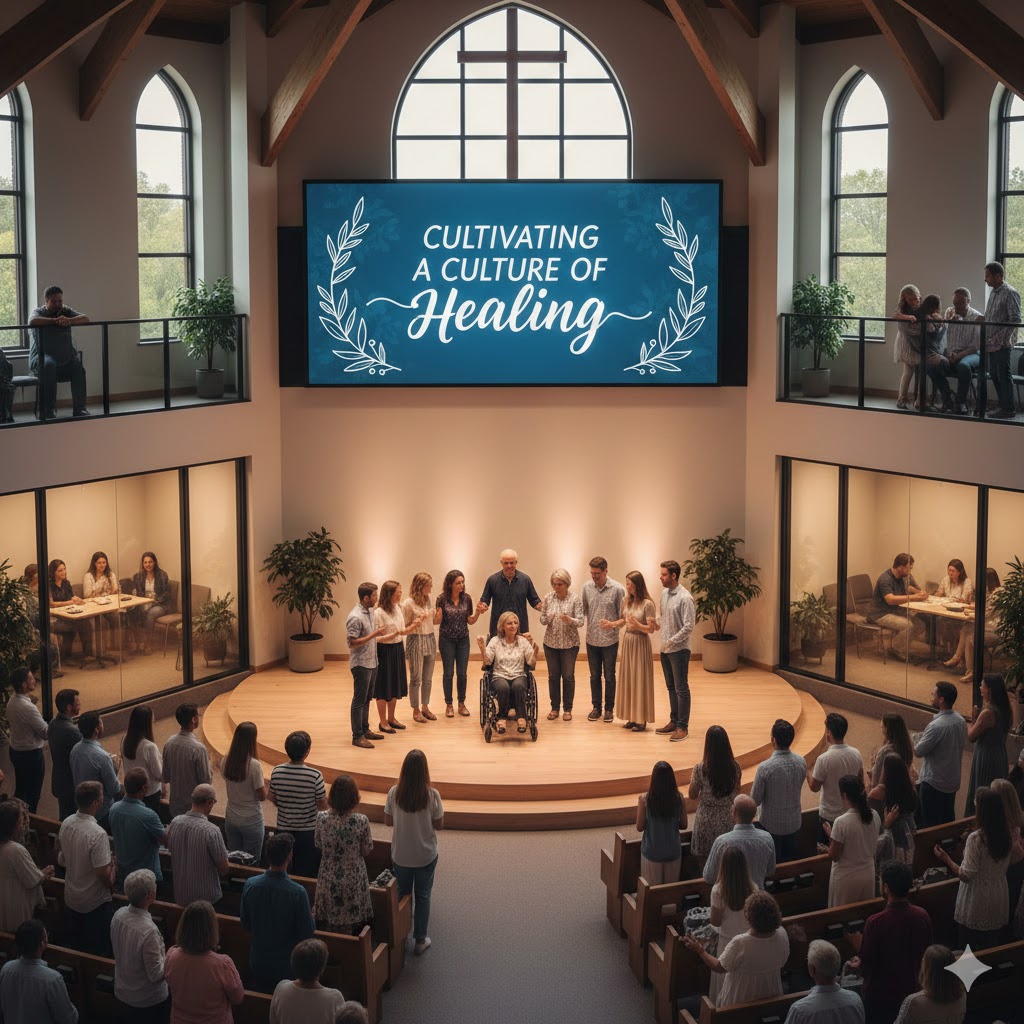 Healing from addiction and mental health challenges rarely happens in isolation. Many individuals who begin their recovery journey feel overwhelmed by shame, fear, and loneliness. Faith centered communities like Evangel Temple seek to create a space where people can rediscover hope, build meaningful relationships, and experience lasting transformation through grace. By combining spiritual guidance, compassionate care, and personalized recovery support, a Christian church environment can help individuals move beyond past struggles and embrace a renewed sense of purpose, connection, and emotional wellness.