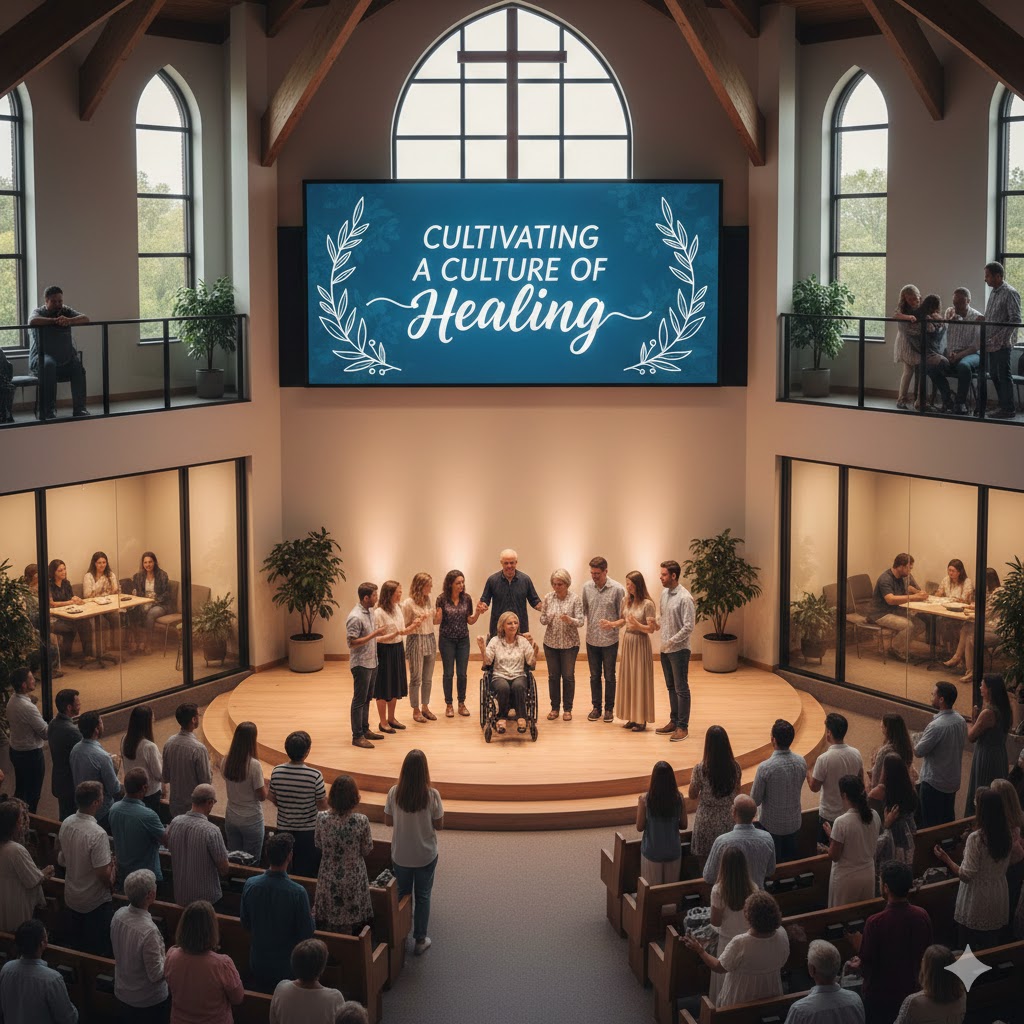
 Healing from addiction and mental health challenges rarely happens in isolation. Many individuals who begin their recovery journey feel overwhelmed by shame, fear, and loneliness. Faith centered communities like Evangel Temple seek to create a space where people can rediscover hope, build meaningful relationships, and experience lasting transformation through grace. By combining spiritual guidance, compassionate care, and personalized recovery support, a Christian church environment can help individuals move beyond past struggles and embrace a renewed sense of purpose, connection, and emotional wellness.
The Role of Faith Based Community in Addiction Recovery
Faith based recovery environments focus on more than symptom management. They aim to support the whole person. Emotional health, spiritual growth, and practical life skills are all addressed through a culture rooted in compassion and accountability.
A Safe Place to Heal Without Judgment
Many individuals entering addiction recovery carry heavy feelings of guilt or failure. Christian recovery communities encourage honest conversations and mutual encouragement. Church programs often provide mentorship, group support, and pastoral care that help individuals feel seen and valued.
When people experience acceptance and understanding, they are more likely to remain engaged in treatment and continue working toward long term sobriety.
The Power of Shared Purpose
Isolation fuels addiction. Community restores connection. Church based programs often create structured opportunities for individuals to participate in service, group study, and peer support. These shared experiences strengthen trust and help participants feel part of something meaningful.
As relationships deepen, individuals gain accountability partners who encourage progress and celebrate milestones in recovery.
Integrating Spiritual Care with Mental Health Treatment
Faith based recovery does not replace professional care. Instead, many Christian programs integrate evidence based treatment with spiritual practices to support emotional and psychological healing.
Counseling and Personalized Treatment Plans
Individualized care recognizes that every recovery journey is unique. Programs may include professional counseling, therapy groups, and structured treatment pathways tailored to each person’s needs. Whether someone requires outpatient support or more intensive services, personalized plans help address underlying trauma, anxiety, depression, or substance use disorders.
This combination of clinical expertise and spiritual encouragement helps individuals develop both practical coping strategies and renewed inner strength.
Prayer, Reflection, and Emotional Renewal
Spiritual disciplines such as prayer, scripture study, and guided reflection offer tools for emotional processing and resilience. Many participants find comfort in practices that foster forgiveness, self compassion, and a sense of hope during difficult moments.
By encouraging both professional mental health treatment and faith based practices, Christian recovery environments promote balanced and sustainable healing.
Holistic Healing That Addresses the Whole Person
Recovery is not only about abstaining from substances. It involves rebuilding relationships, strengthening life skills, and rediscovering purpose.
Supporting Physical, Emotional, and Spiritual Wellness
Holistic programs may incorporate wellness education, life skills development, and community activities that reinforce healthy routines. These elements help individuals create stability in their daily lives while reinforcing positive habits.
Spiritual teachings often emphasize grace and renewal. Participants learn that setbacks do not define them and that growth is always possible through perseverance and faith.
Family Support and Community Reintegration
Addiction affects entire families. Churches frequently offer resources that help rebuild trust and improve communication within families. Group discussions, mentorship, and family focused services allow loved ones to understand recovery challenges and provide meaningful support.
As individuals prepare to reintegrate into everyday life, community connections become a vital safety net that reduces the risk of relapse.
Building a Culture of Forgiveness and Long Term Hope
Forgiveness is a central theme in Christian recovery programs. Many individuals struggle with self blame or unresolved trauma. Learning to release shame and embrace grace can transform the recovery experience.
Restoring Identity and Purpose
Christian teachings emphasize that every person has inherent worth. Through mentorship and spiritual growth, individuals begin to view themselves not through the lens of addiction but through the possibility of renewal and transformation.
Purpose driven activities, community service, and leadership opportunities empower participants to use their experiences to encourage others on similar paths.
Encouraging Lifelong Growth
Recovery is a lifelong journey. Faith based communities provide ongoing opportunities for connection through worship services, support groups, and volunteer work. These long term relationships help individuals remain grounded, motivated, and supported long after formal treatment ends.
Taking the Next Step Toward Healing and Renewal
Addiction recovery and mental health healing require compassion, structure, and a sense of belonging. Christian church communities like Evangel Temple strive to create environments where individuals can experience grace, develop healthy coping strategies, and rebuild their lives through personalized and holistic care. By integrating spiritual growth with professional support, these programs help people move from isolation toward connection, hope, and lasting renewal.
If you or a loved one are searching for a supportive path forward, reaching out to a faith centered recovery community can be a powerful first step. Compassionate guidance, individualized treatment, and a culture rooted in forgiveness can help you rediscover purpose and begin a new chapter grounded in healing and strength.